
A wellness guide is not about being perfect. It is about creating a life that supports your health, energy, and happiness over time. When I first started learning about wellness, I thought it meant doing everything right. Eating perfectly. Exercising daily. Meditating every morning. I quickly learned that approach does not work.
I spent years trying to overhaul my entire life at once. I would start a new diet, a new workout routine, and a new sleep schedule all on the same day. Within a few weeks, I would burn out and give up. What I eventually realized was that wellness is not about perfection. It is about small, consistent actions that add up over time. This wellness guide shares what I have learned about building a healthy and balanced life through practical habits that actually stick.
The World Health Organization defines health as complete physical, mental, and social well-being, not merely the absence of disease. A balanced lifestyle rests on several key pillars that support overall health and well-being. Understanding what wellness means and why it matters is the first step toward building a life that feels good to live. This wellness guide covers the dimensions of wellness, daily habits, common mistakes, and practical strategies for creating sustainable change.
What Is Wellness and Why It Matters
Wellness is more than just not being sick. The World Health Organization defines health as complete physical, mental, and social well-being. Wellness is the active pursuit of habits and behaviors that support this complete state of well-being. It is a continuous process of growth, balance, and resilience.
Understanding what wellness is and why it matters helps you make better choices. When you know that wellness includes physical health, mental health, emotional health, and social connection, you can see why focusing on only one area does not work. This wellness guide is built on the understanding that true well-being requires attention to all parts of your life.
According to recent survey data from the World Health Organization and other public health sources, a significant majority of people express interest in learning how to lead healthier lives. You are not alone in wanting to feel better. Building a healthy and balanced life is something many people are working toward.
What wellness means:
- Taking care of your physical body through movement and nutrition
- Supporting your mental health through stress management and learning
- Nurturing your emotional well-being through self-awareness and connection
- Building meaningful relationships and community
- Finding purpose and meaning in your daily life
For a long time I thought wellness was just about diet and exercise. Then I noticed that even when I was eating well and working out, I still felt off. I was neglecting my mental health and social connections. That is when I started looking at wellness more holistically.
The Dimensions of Wellness Explained

The dimensions of wellness help explain the different areas of life that contribute to overall well-being. Many wellness frameworks, including those used by the National Wellness Institute and university wellness programs, identify multiple dimensions that work together. Understanding these dimensions helps you see the full picture of what wellness really means.
Key dimensions of wellness include:
- Physical Wellness. Taking care of your body through movement, nutrition, sleep, and avoiding harmful habits. Physical wellness is the foundation for energy and health.
- Mental Wellness. How you process information, handle challenges, and maintain focus. This includes learning, curiosity, and cognitive flexibility.
- Emotional Wellness. Understanding and managing your feelings. Emotional wellness includes stress management, self-awareness, and resilience.
- Social Wellness. Building and maintaining meaningful relationships. Social connection is essential for health and happiness.
- Spiritual Wellness. Finding meaning and purpose in your life. This can come from religion, nature, art, or personal values.
- Occupational Wellness. Finding satisfaction and purpose in your work. This includes work-life balance and positive relationships with colleagues.
- Financial Wellness. Managing financial resources in a way that reduces stress and supports your goals.
- Environmental Wellness. Creating spaces that support your health and well-being, including your home, workspace, and community.
The key to understanding the dimensions of wellness is recognizing that they are interconnected. When one area is neglected, it can affect the others. For example, poor sleep affects your mood and focus. Financial stress can impact your relationships and physical health. Building a healthy and balanced life means paying attention to all areas. Understanding what wellness actually means is the first step toward building a balanced life.
How to Build a Healthy and Balanced Life
Building a healthy and balanced life is not about doing everything perfectly. It is about creating a rhythm that supports your health, energy, and happiness over time. Here is what has worked for me.
A balanced lifestyle includes:
- Nutrition. Fueling your body with a mix of whole foods. This is not about perfection. It is about consistency and variety.
- Movement. Regular physical activity that fits your life. Walking, stretching, dancing, or strength training all count.
- Sleep. Quality rest is essential for recovery, focus, and mood. Most adults need 7-9 hours per night.
- Stress Management. Life is stressful, but how you respond matters. Mindfulness, breathing exercises, and journaling can help.
- Connection. Relationships matter. Feeling connected supports emotional well-being and resilience.
How to build a healthy and balanced life:
- Start small. Even small changes in forming healthy habits make a difference.
- Focus on consistency over intensity. Regular, moderate activity is more sustainable than occasional intense effort.
- Listen to your body. Pay attention to what works and adjust when needed.
- Be kind to yourself. Perfection is not the goal. Progress is the goal.
I bought a habit tracker once and obsessed over every metric for about three weeks. Then I forgot about it entirely. What worked better was setting simple boundaries and sticking to them. Small actions add up over time. Developing the right mindset makes building wellness habits much easier.
Daily Wellness Habits for Beginners
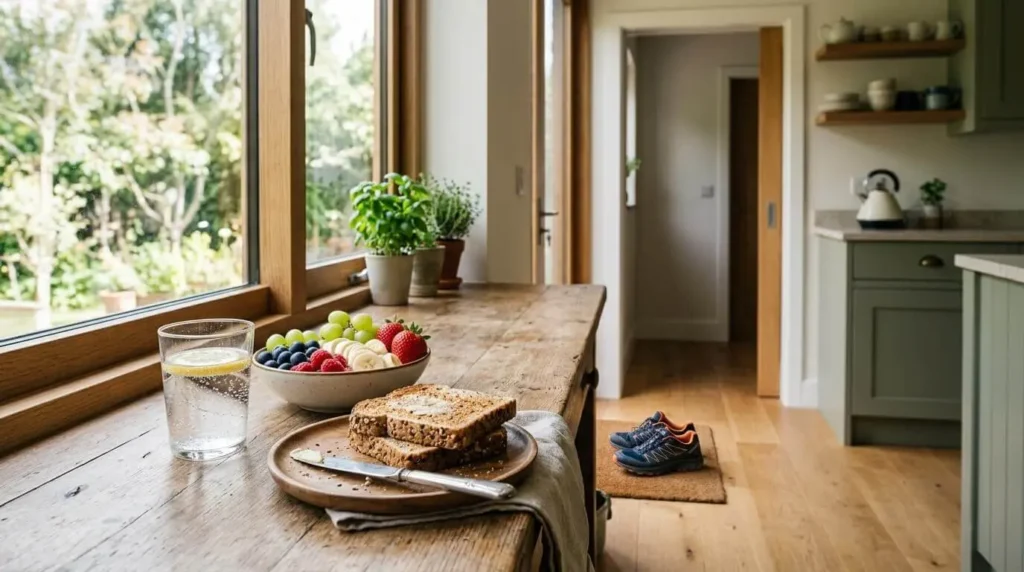
Starting a wellness journey can feel overwhelming. The best approach is to start with small, manageable habits. These daily wellness habits for beginners are simple actions that can make a big difference over time.
Simple daily wellness habits:
- Drink a glass of water when you wake up
- Take a 10-minute walk after lunch
- Eat vegetables with at least one meal
- Take a few deep breaths before your next meeting or task
- Go screen-free for 30 minutes before bed
- Text or call someone you care about
- Write down one thing you are grateful for
- Get 7-9 hours of sleep
These small actions may seem insignificant, but they add up. They are easier to stick with than big, all-or-nothing changes. The key to building wellness habits that last is starting small and staying consistent. Reading how habits are formed can help you understand why consistency matters more than intensity.
I used to think I needed to make dramatic changes to see results. Then I noticed that the habits that lasted were the ones that did not feel like effort. The ones I could do without thinking about them.
Improving Overall Well-Being Naturally
Improving your overall well-being naturally means using lifestyle habits to support your health. This approach is often called lifestyle medicine. It focuses on healthy habits that prevent disease and improve quality of life.
According to the World Health Organization and the Centers for Disease Control and Prevention, lifestyle factors play a major role in preventing chronic disease and supporting long-term health. The CDC emphasizes that healthy eating, regular physical activity, and stress management are key components of disease prevention.
Natural ways to improve well-being:
- Eat a diet high in fruits, vegetables, whole grains, and healthy fats. Limit processed foods and added sugar.
- Get regular physical activity. Aim for at least 150 minutes of moderate activity weekly, as recommended by the World Health Organization.
- Prioritize sleep. Most adults need 7-9 hours for optimal health.
- Manage stress. Practices like deep breathing, mindfulness, and time in nature can help.
- Stay connected. Strong relationships are essential for health and happiness.
- Avoid harmful habits. Limit alcohol and avoid smoking.
Research from the Harvard T.H. Chan School of Public Health and other institutions has shown that people who practice these habits dramatically reduce their risk of heart disease, cancer, and other chronic conditions. Improving your overall well-being naturally is about building habits that support your body and mind. Learning about the benefits of wellness can motivate you to stick with these habits.
A Holistic Approach to Wellness
A holistic approach to wellness means considering all dimensions of health rather than focusing on one area. This approach recognizes that physical health, mental health, emotional health, and social connection are all connected. The National Wellness Institute and many university wellness programs promote this multidimensional view of well-being.
Elements of a holistic approach:
- Physical health. Movement, nutrition, sleep, and hydration.
- Mental and emotional health. Stress management, mindfulness, and self-awareness.
- Social health. Relationships, community, and belonging.
- Spiritual health. Purpose, meaning, and values.
- Environmental health. Creating spaces that support well-being.
A well-rounded approach to health and wellness is beneficial at every stage of life. Consistency, moderation, and shifting attention depending on current needs equals a recipe for success. The dimensions of wellness framework provides a clear roadmap for taking a holistic approach to wellness.
I used to think that health was just about diet and exercise. Then I realized that I was neglecting my mental health and social connections. When I started paying attention to all areas of my life, everything improved. My work got better. My mood improved. I felt more energy and more satisfaction.
Common Mistakes in Wellness
Most people make the same mistakes when trying to improve their wellness. Learning from these mistakes can help you build a more sustainable approach.
Common wellness mistakes:
- Trying to change everything at once. Overhauling your entire lifestyle overnight is unsustainable. You burn out and give up.
- Focusing only on physical health. Mental, emotional, and social wellness matter just as much.
- Waiting for motivation. Motivation comes and goes. Wellness is about creating systems that work even when you do not feel motivated.
- Ignoring your environment. Your surroundings have a huge impact on your behavior. Design your environment to support your goals.
- Neglecting recovery. Rest and recovery are as important as activity. Sleep, relaxation, and taking breaks allow the body and mind to recover.
A healthy lifestyle is not about doing everything right. It is about being kind to your body, your mind, and your time. The goal is to tune in, make small adjustments, and give yourself grace along the way.
Creating a Sustainable Wellness Routine
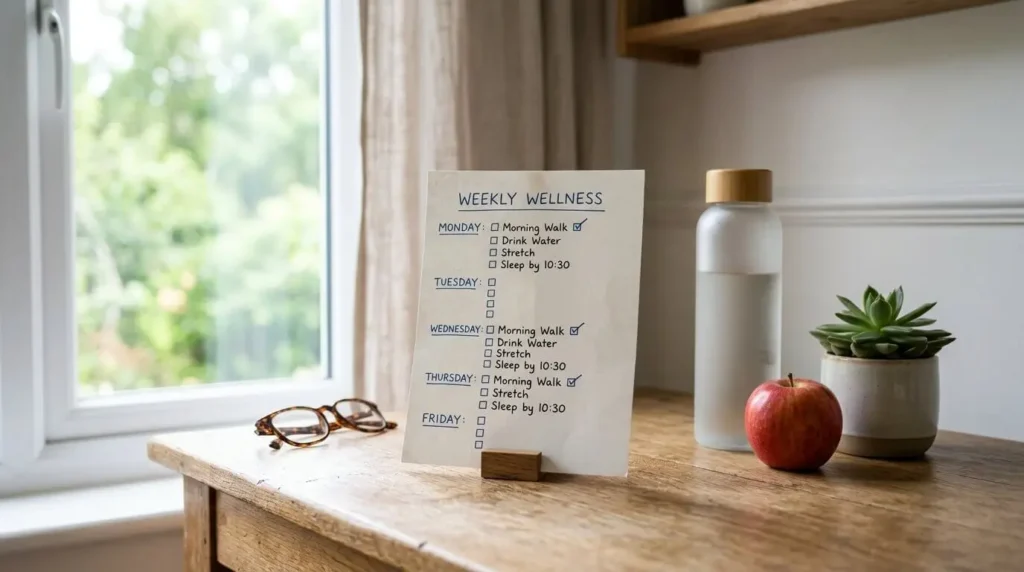
Creating a sustainable wellness routine is about building habits that fit your life. A sustainable routine is flexible, realistic, and personal. It is not about following someone else’s plan. It is about finding what works for you.
Steps to create a sustainable routine:
- Start with one habit. Focus on one small change until it feels automatic.
- Make it easy. Design your environment to support the habit.
- Be consistent. Consistency matters more than intensity.
- Adjust when needed. Life changes. Your habits may need to change too.
- Be kind to yourself. Progress, not perfection, is the goal.
Key elements of a wellness routine:
- Morning. Hydrate, move gently, and set an intention for the day.
- Daytime. Take breaks, eat nourishing food, and stay hydrated.
- Evening. Wind down, limit screen time, and prioritize sleep.
A balanced lifestyle does not require perfection. It is a practice, not a destination. Building a sustainable wellness routine takes time, but the investment pays off in better health and quality of life. How to build good habits provides practical strategies for making wellness habits stick.
Frequently Asked Questions
What is wellness and why does it matter?
Wellness is the active pursuit of habits and behaviors that support physical, mental, emotional, and social well-being. It matters because it affects how you feel, how you function, and your ability to handle challenges. This wellness guide explains why wellness is important for long-term health and happiness.
What are the dimensions of wellness?
The dimensions of wellness include physical, mental, emotional, social, spiritual, occupational, financial, and environmental wellness. Understanding these dimensions helps you see the full picture of wellness and identify areas that need attention. The National Wellness Institute and many universities use these dimensions in their wellness programs.
How can I build a healthy and balanced life?
Build a healthy and balanced life by starting with small, consistent habits. Focus on nutrition, movement, sleep, stress management, and social connection. Make changes gradually rather than trying to overhaul your entire lifestyle at once.
What are good daily wellness habits for beginners?
Good daily wellness habits for beginners include drinking water when you wake up, taking a short walk, eating vegetables, practicing deep breathing, and getting quality sleep. Small consistent actions add up over time.
What is a holistic approach to wellness?
A holistic approach to wellness considers all dimensions of health rather than focusing on one area. It recognizes that physical health, mental health, emotional health, and social connection are all interconnected.
How can I improve my overall well-being naturally?
Improve your overall well-being naturally through healthy lifestyle habits. Eat a balanced diet, get regular physical activity, prioritize sleep, manage stress, stay connected with others, and avoid harmful habits like smoking. The World Health Organization and CDC provide guidelines for healthy living.
What are common mistakes in wellness?
Common mistakes include trying to change everything at once, focusing only on physical health, waiting for motivation, ignoring your environment, and neglecting recovery. Avoid these mistakes by starting small and building gradually.
How do I create a sustainable wellness routine?
Create a sustainable wellness routine by starting with one habit, making it easy, being consistent, adjusting when needed, and being kind to yourself. A sustainable routine is flexible, realistic, and personal.
Final Thoughts
If you are wondering where to start, pick one small habit from this wellness guide and start today. Not everything. One thing.
Maybe it is drinking more water. Maybe it is taking a short walk. Maybe it is going to bed fifteen minutes earlier. Maybe it is calling someone you care about.
The people I know who have built healthy and balanced lives did not do it overnight. They made small changes, paid attention to what worked, adjusted when something did not, and kept going. They do not have it all figured out. They just keep showing up.
Wellness is not about being perfect. It is about moving in the right direction, most of the time, and being kind to yourself when you do not. You already are on your way. This wellness guide is here to help you along the journey.
Written by Hussnain Ali a wellness and healthy habits writer who focuses on behavior change, sustainable routines, and evidence-informed lifestyle practices. His work explores practical ways to improve physical, mental, and emotional well-being through everyday habits. This article reflects current evidence-based wellness recommendations from organizations including the World Health Organization.