
I used to think wellness was something you focused on when something went wrong. You get sick, so you start eating better. You feel stressed, so you try meditation. You gain weight, so you start exercising. Wellness felt like a reaction to problems rather than something you do consistently.
Then I spent my thirties feeling tired all the time. Not the kind of tired that goes away after a good night’s sleep. The kind that sits in your bones. I was exercising occasionally. I was eating reasonably well. But I was constantly catching colds, struggling to focus, and feeling generally off.
That is when I started looking more seriously at the benefits of wellness. And I realized that wellness is not about fixing problems. It is about building a foundation that prevents problems from happening in the first place. Understanding why wellness matters completely shifted how I think about health.
Wellness is not just about avoiding illness. It is about creating a life where you feel good, function well, and have the energy to do the things that matter to you. The benefits of wellness show up in every area of life: physical health, mental clarity, emotional stability, and even relationships.
The benefits of wellness extend far beyond just feeling better in the moment. When you consistently practice wellness habits across multiple dimensions of health, the positive effects accumulate over time. Wellness supports long-term health, improves quality of life, and helps you age more gracefully.
What Are the Benefits of Wellness?
The benefits of wellness are the positive outcomes that result from consistently practicing healthy habits across multiple dimensions of life. These benefits are not just about avoiding illness. They are about creating a life that feels good to live.
The benefits of wellness include:
- Better physical health and more energy
- Improved mental clarity and focus
- Stronger emotional resilience
- Deeper social connections
- Greater sense of purpose and meaning
- Reduced risk of chronic disease
- Better sleep quality
- Healthier aging
The benefits of wellness are cumulative. Small daily habits add up over time. A short walk today might not feel significant. But walking consistently for years strengthens your heart, improves your mood, and keeps you mobile as you age.
The benefits of wellness are not always obvious in the moment. You do not notice the slow improvement. You just notice that you feel better than you used to. You have more energy. You get sick less often. You handle stress more calmly.
Why Wellness Matters for Long-Term Health
Wellness matters because it directly affects how you feel, how you function, and how well you age. People who consistently practice wellness habits tend to have better health outcomes, fewer chronic conditions, and higher quality of life.
Organizations such as the CDC, NIH, and MedlinePlus consistently emphasize that regular physical activity, healthy eating, stress management, and quality sleep contribute to long-term health and disease prevention. Lifestyle factors play a major role in reducing the risk of chronic diseases and supporting healthy aging.
Why wellness matters for long-term health:
- It reduces the risk of chronic diseases like heart disease and diabetes
- It supports healthy aging and maintains mobility
- It improves mental health and cognitive function
- It strengthens the immune system
- It helps manage stress and prevents burnout
- It supports better sleep and recovery
For years, I thought I was too young to worry about long-term health. I assumed that I could eat whatever I wanted, skip exercise for weeks at a time, and still be fine. Then I hit my late thirties and realized that habits have a cumulative effect. The choices you make today shape how you feel tomorrow, next year, and decades from now.
This is where people often get stuck. They think wellness is about dramatic changes. But long-term health is built through small, consistent actions. It is not about being perfect. It is about moving in the right direction most of the time.
Physical Benefits of Wellness
The physical benefits of wellness are the most visible and measurable. They show up in your energy levels, your sleep quality, your immune function, and your risk of chronic disease.
Key physical benefits of wellness:
- More energy. Regular physical activity, good sleep, and proper nutrition give you sustained energy throughout the day.
- Better sleep. Consistent sleep habits improve sleep quality and help you wake up feeling rested.
- Stronger immune system. Healthy habits support immune function and reduce the frequency of illness.
- Lower risk of chronic disease. Physical wellness reduces the risk of heart disease, diabetes, and other conditions.
- Healthier weight. Balanced nutrition and regular activity help maintain a healthy weight.
- Better mobility. Strength and flexibility training help maintain movement as you age.
- Improved heart health. Regular movement strengthens the heart and improves circulation. Better blood flow helps deliver oxygen and nutrients throughout the body, supporting energy levels and overall health.
What I noticed was that the physical benefits of wellness compound over time. When I started walking regularly, I slept better. When I slept better, I had more energy for exercise. When I had more energy, I ate better. Each positive habit reinforced the others.
Practical steps for physical wellness:
- Move your body daily, even if it is just a short walk
- Eat a balanced diet with plenty of vegetables and protein
- Prioritize sleep by going to bed at a consistent time
- Stay hydrated throughout the day
- Take breaks from sitting during the day

Mental and Emotional Benefits of Wellness
The mental and emotional benefits of wellness are just as important as the physical ones. They affect how you think, how you feel, and how you handle challenges.
Key mental and emotional benefits of wellness:
- Better focus and concentration. Regular physical activity and good sleep improve cognitive function.
- Reduced stress and anxiety. Stress management practices like exercise, meditation, and breathing techniques reduce stress levels.
- Improved mood. Physical activity releases endorphins that boost mood and reduce symptoms of depression.
- Greater emotional resilience. Wellness practices help you recover from setbacks more quickly.
- Better self-awareness. Practices like journaling and reflection help you understand your emotions and needs.
- Reduced burnout. Consistent wellness habits prevent exhaustion and overwhelm.
For a long time, I underestimated the mental benefits of wellness. I thought exercise was for physical health and meditation was for people who had time to spare. Then I started walking during my lunch break and realized that my focus improved for the rest of the day. I tried journaling for a few weeks and noticed that I was less reactive to stress.
Practical steps for mental and emotional wellness:
- Take short breaks throughout the day to clear your mind
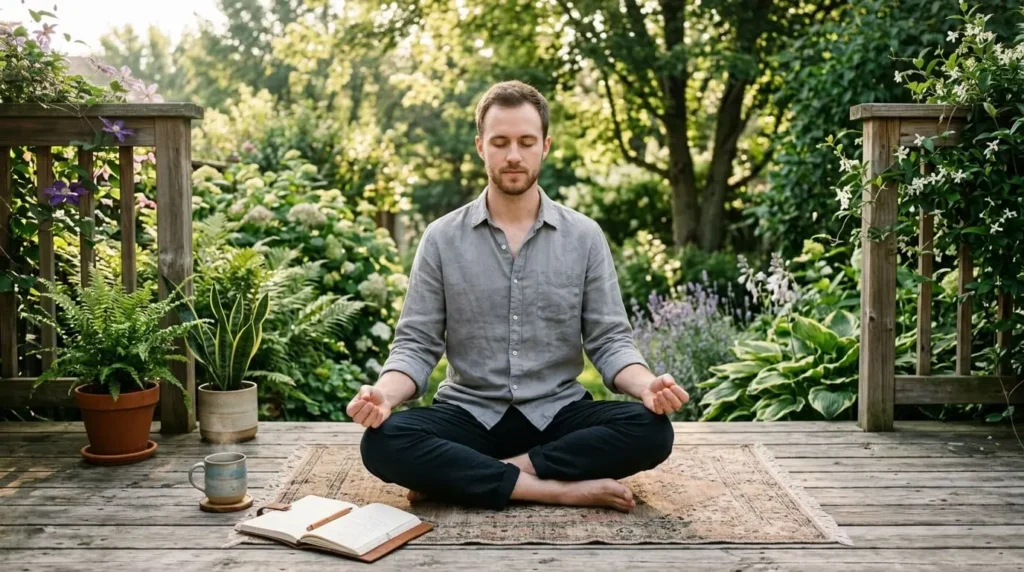
- Practice deep breathing or meditation for a few minutes daily
- Move your body regularly to boost mood and energy
- Limit digital distraction and screen time
- Write down your thoughts and feelings to increase self-awareness
Wellness Supports Brain Health
Wellness habits affect more than mood and stress. Regular physical activity, quality sleep, and lifelong learning support brain health and cognitive function. Healthy lifestyle habits may help maintain memory, concentration, and decision-making abilities as people age.
How wellness supports brain health:
- Improved memory. Physical activity and mental stimulation support memory function.
- Better concentration. Regular exercise and good sleep improve focus and attention.
- Reduced cognitive decline. Healthy habits may help maintain cognitive function as you age.
- Enhanced learning. Lifelong learning and mental engagement keep the brain active and adaptable.
I noticed this myself when I improved my sleep and started walking consistently. My focus improved, and everyday tasks felt mentally easier than they had before. It was not dramatic. But over time, I could tell the difference.
Practical steps for brain health:
- Stay mentally active by learning new skills or reading regularly
- Prioritize sleep for cognitive recovery
- Move your body regularly to support brain function
- Manage stress to protect cognitive health
- Stay socially connected for mental engagement
Social Benefits of Wellness
The social benefits of wellness are often overlooked but they are deeply connected to overall well-being. Strong social connections are one of the strongest predictors of health and longevity.
Key social benefits of wellness:
- Stronger relationships. Wellness practices help you show up better in relationships.
- Better communication. Emotional wellness improves your ability to express yourself and listen to others.
- Greater sense of belonging. Social wellness activities help you build community and connection.
- More support during difficult times. Strong relationships provide emotional and practical support.
- Reduced loneliness. Intentional social connection reduces feelings of isolation.
Physical activities can also strengthen social wellness. Walking with friends, joining fitness classes, or participating in community activities provides both movement and meaningful connection.
Looking back, most of my friendships survived on proximity rather than intention. If someone moved away or changed jobs, we slowly stopped talking. When I started being more deliberate about who I spent time with and how I showed up in relationships, everything shifted.
Practical steps for social wellness:
- Prioritize time with people who genuinely support you
- Practice active listening when others speak
- Reach out to friends and family regularly, even just to check in
- Join groups or activities that connect you with people who share your interests
- Set boundaries with people who drain your energy
Wellness Supports a Healthy Immune System
Many people notice wellness only when they get sick. But regular exercise, quality sleep, balanced nutrition, and stress management help support immune function long before illness appears.
How wellness supports the immune system:
- Regular physical activity. Moderate exercise helps immune cells circulate more effectively.
- Quality sleep. Sleep supports immune function and recovery.
- Balanced nutrition. Proper nutrition provides the nutrients needed for immune health.
- Stress management. Chronic stress can weaken immune function over time.
I used to underestimate sleep. What surprised me was that after improving my sleep schedule, I caught fewer seasonal colds and recovered faster when I did get sick. Supporting the immune system is another reason why wellness matters for long-term health.
Practical steps for immune health:
- Prioritize sleep and aim for consistent timing
- Move your body regularly with moderate activity
- Eat a balanced diet with plenty of vegetables and protein
- Manage stress with practices like breathing or meditation
- Stay hydrated throughout the day
Wellness and Longevity
Wellness is closely linked to longevity. People who consistently practice wellness habits tend to live longer and enjoy better health in their later years.
How wellness supports longevity:
- Reduces chronic disease risk. Wellness habits lower the risk of conditions like heart disease, diabetes, and cancer.
- Supports healthy aging. Physical activity and proper nutrition help maintain mobility and independence.
- Maintains cognitive function. Mental wellness practices support brain health and reduce the risk of cognitive decline.
- Improves quality of life. Wellness supports not just how long you live, but how well you live.
Another benefit of wellness is maintaining independence as you age. Strength, balance, mobility, and mental sharpness allow people to continue doing everyday activities without relying heavily on others. Healthy aging is not just about living longer. It is about maintaining the ability to enjoy daily life.
I watched my grandparents age in very different ways. One stayed active, walked daily, and maintained social connections well into their eighties. The other became sedentary and isolated, and their health declined much faster. The difference was not just genetics. It was the habits they built over decades.
The benefits of wellness for longevity are not about living forever. They are about maintaining the ability to do the things you enjoy for as long as possible. It is about being able to walk without pain, think clearly, and connect with the people you love.
How Wellness Supports Preventive Health
Preventive health is about taking action to prevent illness before it happens. Wellness is the foundation of preventive health.
How wellness supports preventive health:
- Reduces risk factors. Healthy habits reduce the risk factors that contribute to chronic disease.
- Strengthens the immune system. Good nutrition, sleep, and exercise support immune function.
- Improves early detection. Regular checkups and attention to your body help catch problems early.
- Reduces healthcare costs. Preventive health is often more cost-effective than treating illness.
According to organizations including the CDC, NIH, and MedlinePlus, lifestyle factors such as exercise, sleep, nutrition, and stress management play a major role in reducing the risk of chronic diseases and supporting healthy aging.
For years, I avoided the doctor unless something was clearly wrong. I assumed that as long as I felt fine, I was fine. Then I started paying more attention to preventive health and realized that many conditions develop slowly. By the time you notice symptoms, the damage may already be done.
Practical steps for preventive health:
- Schedule regular checkups and screenings
- Pay attention to your body and notice changes
- Build wellness habits that support long-term health
- Address small issues before they become big problems
The Connection Between Wellness and Quality of Life
Wellness is not just about living longer. It is about living better. The benefits of wellness directly affect your quality of life.
How wellness improves quality of life:
- More energy. You have the energy to do the things you enjoy.
- Better mood. You feel more positive and stable emotionally.
- Stronger relationships. You connect more deeply with the people you care about.
- Greater purpose. You feel more meaning and direction in your life.
- More resilience. You handle challenges more effectively.
- Better sleep. You wake up feeling rested and refreshed.
I remember a period in my life when I was physically healthy but miserable. I was eating well and exercising regularly, but I was isolated and stressed. My quality of life was low even though my physical health was fine. That is when I realized that wellness is not just about physical health. It is about creating a life that feels good to live.
Wellness in Modern Life: Small Habits Matter More Than Perfection
Many people assume wellness requires expensive supplements, strict diets, or complicated routines. But modern research and real-life experience suggest that consistency matters more than intensity.
Fitness trackers, wellness apps, and social media can be helpful, but they can also create pressure to optimize every aspect of life. I have fallen into that trap myself. I spent weeks trying to track every calorie, step, and sleep score before realizing that the habits that lasted were simple ones.
Most people benefit more from regular walks, better sleep, meaningful relationships, and manageable routines than from pursuing perfection.
Small habits repeated consistently often matter more than dramatic changes that are impossible to maintain.
Daily Wellness Habits That Make a Difference
The benefits of wellness are built through daily habits. Small actions add up over time. You do not need to make dramatic changes to see results.
Daily wellness habits to consider:
- Move your body for at least 20 minutes each day
- Eat a balanced meal with vegetables and protein
- Get 7–9 hours of quality sleep
- Drink enough water throughout the day
- Take short breaks from screens and work
- Connect with someone you care about
- Practice deep breathing or meditation for a few minutes
- Spend time outdoors when possible
- Write down one thing you are grateful for
- Set boundaries between work and personal time
I bought a wellness tracker once and obsessed over every metric for about three weeks. Then I forgot about it entirely. The habits I actually kept were the ones that felt easy and natural, not the ones I forced.
How to build sustainable wellness habits:
- Start with one habit at a time
- Make it small enough to do consistently
- Connect it to an existing routine
- Track your progress simply (checking a box on a calendar works)
- Be kind to yourself when you miss a day

Common Mistakes When Pursuing Wellness
Most people make the same mistakes when trying to improve their wellness. I have made all of them.
Mistake 1: Trying to Change Everything at Once
This is the most common mistake. People try to overhaul their entire lifestyle overnight. New diet, new workout routine, new sleep schedule, meditation, journaling. It is unsustainable. You burn out and give up.
Mistake 2: Focusing Only on Physical Wellness
It is tempting to think wellness is just about eating well and exercising. But mental, emotional, and social wellness matter just as much. You can be physically fit and still feel miserable if your other needs are not being met.
Mistake 3: Waiting for Motivation
Motivation comes and goes. Wellness is not about waiting to feel like it. It is about creating systems that work even when you do not feel motivated.
Mistake 4: Thinking Wellness Is the Same for Everyone
Wellness looks different for different people. What works for someone else might not work for you. Pay attention to your own needs and preferences.
Mistake 5: Not Recognizing the Cumulative Effect
Small habits do not feel significant in the moment. But they add up over time. Missing one day is not a problem. Missing many days creates a pattern.
Mistake 6: Ignoring Preventive Health
Many people focus on wellness only when something goes wrong. Preventive health is about building habits that prevent problems from happening in the first place.
Frequently Asked Questions
What are the benefits of wellness?
The benefits of wellness include improved physical health, better mental clarity, stronger emotional resilience, deeper social connections, reduced risk of chronic disease, better sleep, and healthier aging. The benefits of wellness accumulate over time through consistent daily habits.
Why is wellness important for long-term health?
Wellness is important for long-term health because it reduces the risk of chronic disease, supports healthy aging, improves mental health, strengthens the immune system, and helps manage stress. Consistent wellness habits create a foundation for better health throughout life.
How does wellness improve quality of life?
Wellness improves quality of life by increasing energy, improving mood, strengthening relationships, providing a sense of purpose, building resilience, and supporting better sleep. Wellness is not just about living longer. It is about living better.
What are the physical benefits of wellness?
The physical benefits of wellness include more energy, better sleep, a stronger immune system, reduced risk of chronic disease, healthier weight, and better mobility. These benefits compound over time with consistent habits.
How does wellness support mental health?
Wellness supports mental health by improving focus, reducing stress and anxiety, boosting mood, building emotional resilience, and increasing self-awareness. Regular physical activity, good sleep, and stress management practices all contribute to better mental health.
How does wellness support brain health?
Wellness supports brain health through regular physical activity, quality sleep, and lifelong learning. These habits help maintain memory, concentration, and decision-making abilities as people age.
How does wellness affect the immune system?
Wellness supports immune function through regular physical activity, quality sleep, balanced nutrition, and stress management. People who consistently practice wellness habits tend to get sick less often and recover faster when they do get ill.
What daily habits support wellness?
Daily habits that support wellness include regular physical activity, balanced eating, consistent sleep, hydration, stress management, social connection, time outdoors, and setting boundaries between work and personal time. Small daily habits create the foundation for long-term wellness.
How does wellness affect aging?
Wellness supports healthy aging by reducing the risk of chronic disease, maintaining mobility and independence, preserving cognitive function, and improving overall quality of life. People who consistently practice wellness habits tend to age more gracefully and enjoy better health in their later years.
What is preventive wellness?
Preventive wellness is taking action to prevent illness before it happens. It includes building healthy habits, maintaining regular checkups, paying attention to your body, and addressing small issues before they become big problems.
Final Thoughts
If you are wondering where to start, pick one thing that matters to you and make it small enough to do consistently. That could mean a ten-minute walk instead of a gym session. Taking five minutes to breathe instead of meditating for an hour. Calling one friend instead of trying to build a whole social network.
The benefits of wellness are built through small, consistent actions. You do not need to be perfect. You just need to keep showing up.
The people I know who have built sustainable wellness practices did not do it overnight. They made small changes, paid attention to what worked, adjusted when something did not, and kept going. They do not have it all figured out. They just keep showing up.
Wellness is not about being perfect. It is about moving in the right direction, most of the time, and being kind to yourself when you do not. The benefits of wellness are real, but they take time. Be patient with yourself. Start small. Keep going.
Written by Hussnain Ali — a wellness and healthy habits writer who focuses on behavior change, sustainable routines, and evidence-informed lifestyle practices. His work explores practical ways to improve physical, mental, and emotional well-being through everyday habits.